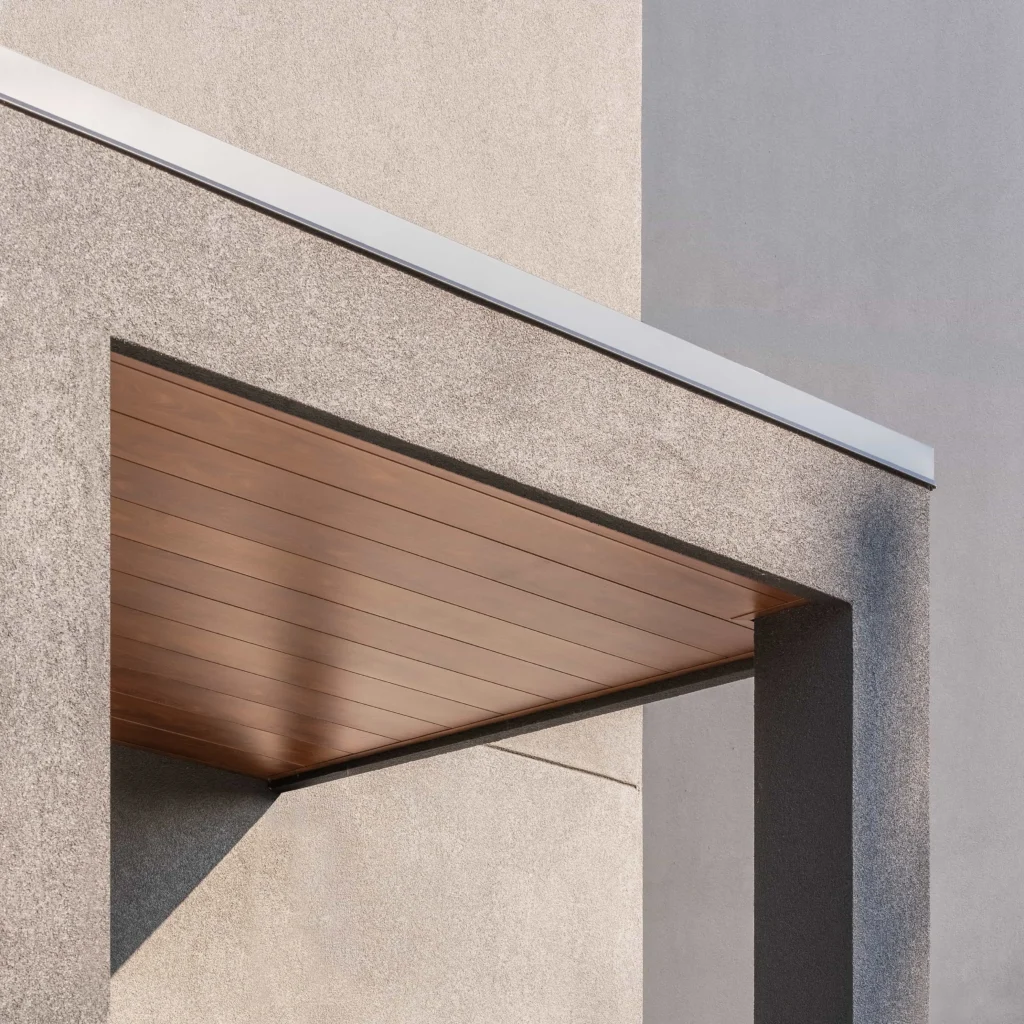
Choosing the right soffit types is one of the most practical decisions Toronto homeowners make when protecting their roof and improving curb appeal. The soffit is the finished underside of your roof overhang. It shields the rafters, helps ventilate the attic, and keeps moisture, pests, and ice dams under control in our demanding climate.
In this guide we cover the main types of soffit for houses, how they perform in Toronto conditions, and which options deliver the best long-term results.
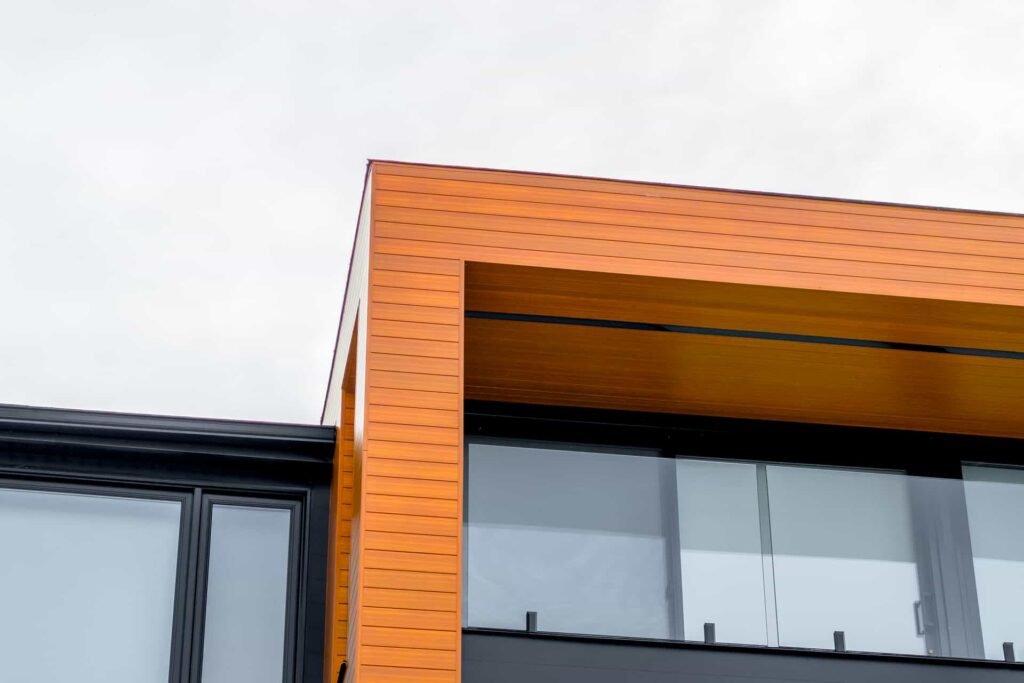
Why Choosing the Right Soffit Type Matters in Toronto
Toronto’s climate brings freeze-thaw cycles, heavy snow loads, high humidity in summer, and strong winds. A poorly chosen soffit can allow moisture into the attic, contribute to ice dams, or require frequent repairs.
Proper soffit ventilation is essential. According to Natural Resources Canada, balanced attic ventilation helps reduce moisture problems and ice dam formation by keeping the attic cooler and drier.
The material you select also affects maintenance, fire resistance, and the overall look of your home. Homeowners who prioritise low upkeep and long service life tend to favour metal options over traditional wood or basic vinyl.
Main Types of Soffit for Houses
Here are the most common soffit materials used on residential homes, with specific notes for Toronto conditions.
Vinyl Soffit
Vinyl soffit is lightweight, affordable, and available in many colours. It installs quickly and resists rot and insects.
However, vinyl can become brittle in extreme cold. Rapid temperature swings common in the GTA may lead to cracking or warping over time. While it works for budget projects, aluminum soffit generally outperforms vinyl in durability, rigidity, and long-term appearance under Toronto weather.
Learn More: Aluminum vs. Vinyl Soffit
Wood Soffit
Wood soffit offers a classic, natural look that suits traditional and heritage homes. Cedar and pine are popular choices.
The downside is ongoing maintenance. Wood needs regular painting or sealing. It is vulnerable to moisture, rot, and insects. In Toronto’s wet winters, untreated or poorly maintained wood soffit can deteriorate within a decade. Wood-grain aluminum soffit provides the same warm aesthetic without the upkeep, making it a smarter long-term choice for most homeowners.
Metal Soffit
Metal Soffit Materials are non-combustible, resistant to pests, and require very little maintenance. They hold their shape well and come in solid colours or realistic wood-look finishes.
Aluminum Soffit
Aluminum Soffit is one of the most popular and practical choices for Toronto homes. It is lightweight yet strong, resists corrosion, and handles freeze-thaw cycles without cracking.
Modern aluminum soffit is available in both solid and vented styles. Vented panels allow continuous airflow into the attic, which helps control moisture and reduce ice dam risk.
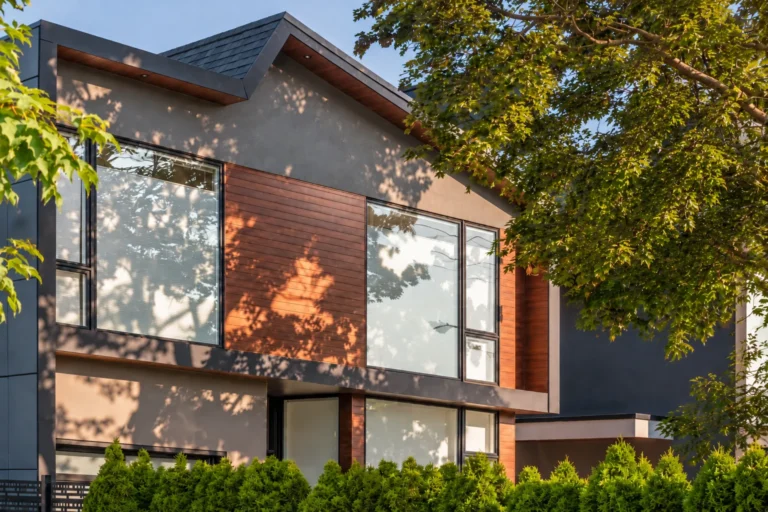
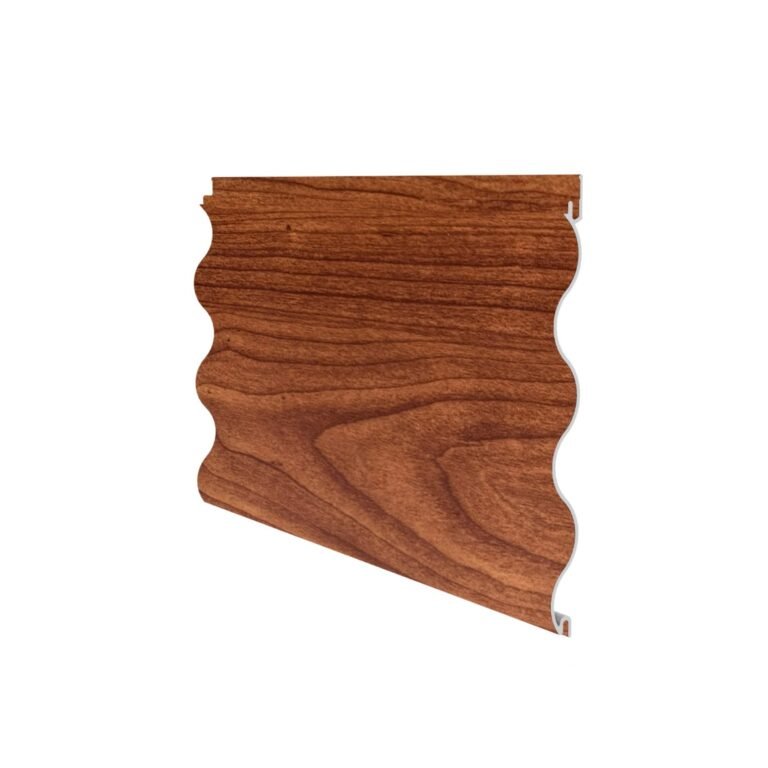
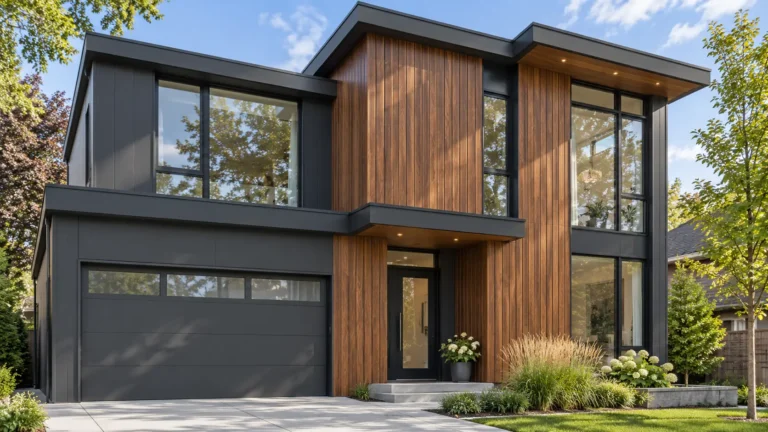
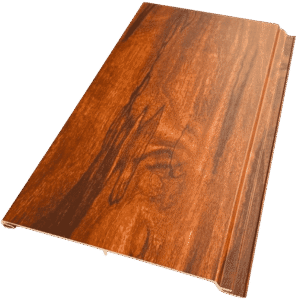
VEDREX aluminum soffit systems stand out in this category. Manufactured from architectural-grade 6063-T6 extruded aluminum, these systems feature clean V-groove profiles (4-inch and 6-inch options), authentic woodgrain finishes created through advanced sublimation technology, and solid colour powder-coated options. They are non-combustible, UV-resistant, and engineered for Canadian conditions. With proper installation they deliver a 50-plus year service life and virtually zero maintenance beyond occasional rinsing.
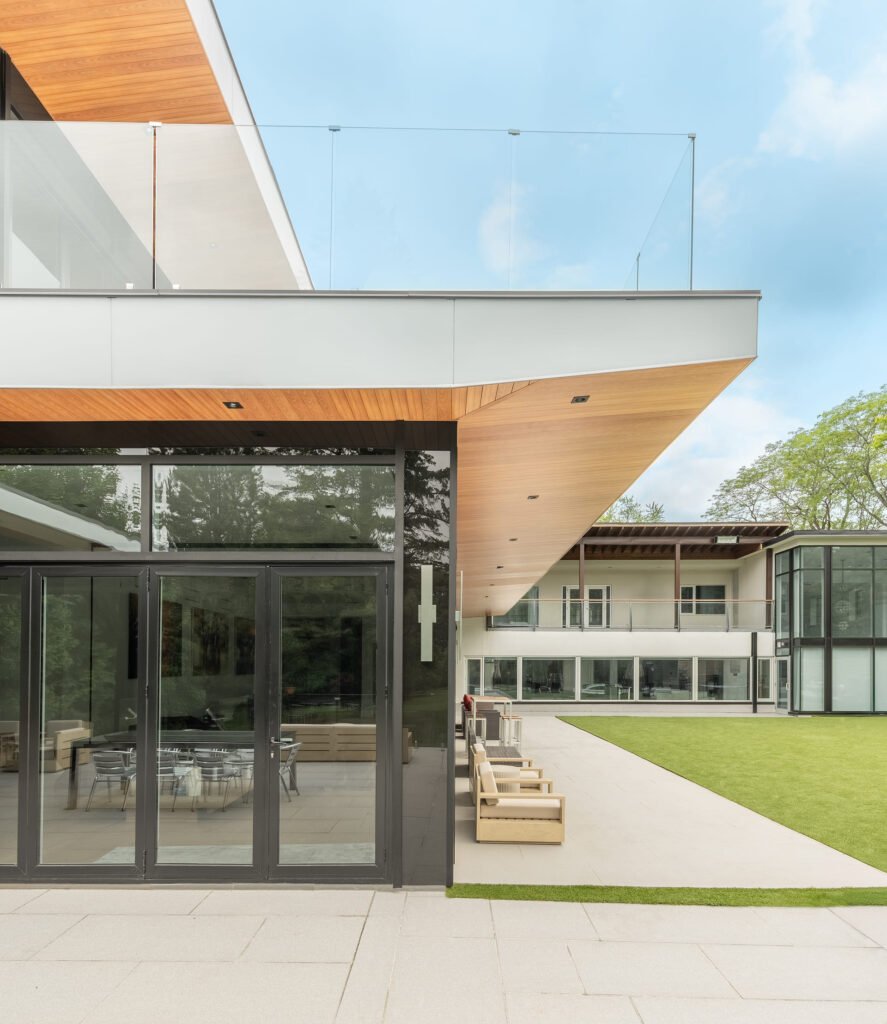
Steel Soffit
Steel soffit is extremely strong and highly impact-resistant. It performs well in high-wind areas and commercial applications.
The trade-offs are weight and limited aesthetic options. Steel is heavier than aluminum, which can increase labour costs. Finish choices are usually more restricted than the wide range of woodgrain and solid colours available in premium aluminum systems. For most Toronto residential projects, aluminum offers a better balance of strength, weight, and design flexibility.
Other Soffit Types Worth Knowing
- Fiber cement: Durable and fire-resistant, but heavier and more labour-intensive to install.
- Engineered wood/composite: Offers a wood look with improved moisture resistance compared to solid wood, yet still requires more maintenance than metal.
These options exist but are less common for standard residential eaves in the GTA when compared with vinyl, wood, and metal.
Side-by-Side Comparison of Popular Soffit Types
| Material | Durability in Toronto Climate | Maintenance | Aesthetic Options | Typical Lifespan | Best For |
|---|---|---|---|---|---|
| Vinyl | Moderate | Low | Solid colours | 20–30 years | Budget projects |
| Wood | Low to moderate | High | Natural wood look | 10–20 years | Heritage or traditional looks |
| Aluminum | Excellent | Very low | Woodgrain + solid colours | 40–50+ years | Most Toronto homes |
| Steel | Excellent | Very low | Mostly solid colours | 40–50+ years | High-impact or commercial |
| Fiber cement | Very good | Low | Limited | 40–50 years | Specific fire-code needs |
Aluminum consistently ranks highest for residential use in our region because of its combination of climate performance, design range, and low cost.
How to Choose the Best Soffit for Your Toronto Home
Start with climate performance. Materials that resist moisture, temperature swings, and pests will protect your attic and roof structure better over decades.
Next, consider ventilation. Vented soffit panels or continuous soffit vents work with ridge or roof vents to create balanced airflow. Building science resources such as the Building America Solution Center emphasise that proper soffit intake ventilation is critical for controlling condensation in cold climates.
Aesthetic goals matter too. If you want a modern solid colour or a realistic wood look without the maintenance of real wood, premium aluminum delivers both.
Finally, weigh upfront cost against long-term value. Vinyl may cost less initially, but aluminum often proves more economical over 30 years because it rarely needs replacement.
Why Many Toronto Homeowners Prefer Aluminum Soffit
Aluminum soffit solves the main weaknesses of vinyl and wood while adding design flexibility. It will not crack in deep freezes the way some vinyl can. It will not rot or require painting the way wood does. Wood-grain aluminum versions give the warmth of timber with the performance of metal.
Aluminum soffit can also be used beyond traditional roof eaves. For example, a purpose-designed architectural system can create a finished aluminum soffit ceiling under an elevated deck, provided drainage and moisture management are addressed correctly.
Covered porches are another application where architectural aluminum can form a larger finished ceiling; our guide to aluminum soffit for porch ceilings explains how roof shape and ventilation affect the design.
VEDREX systems take these advantages further with thicker extruded profiles, authentic luxurious finishes, and local manufacturing support tailored to Canadian building practices. The result is a clean, continuous look that lasts for decades with almost no upkeep.
Understanding the different soffit types helps Toronto homeowners make informed decisions that protect their investment. Vinyl remains a budget option, wood suits certain traditional styles, and steel serves specialised high-strength needs. For most residential properties, aluminum soffit, especially premium extruded systems, offers the strongest combination of durability, low maintenance, ventilation performance, and design range.