In one sentence: a soffit is the finished underside of a roof overhang that protects your home and helps with ventilation.
Let’s start with the big question: what is a soffit? This often-overlooked part of your roof system plays an important role in protecting your home and keeping it functional. In this article, we explain the soffit meaning, how it works with other roof components, and why it matters for both appearance and performance.
Soffit Meaning and Definition in Construction
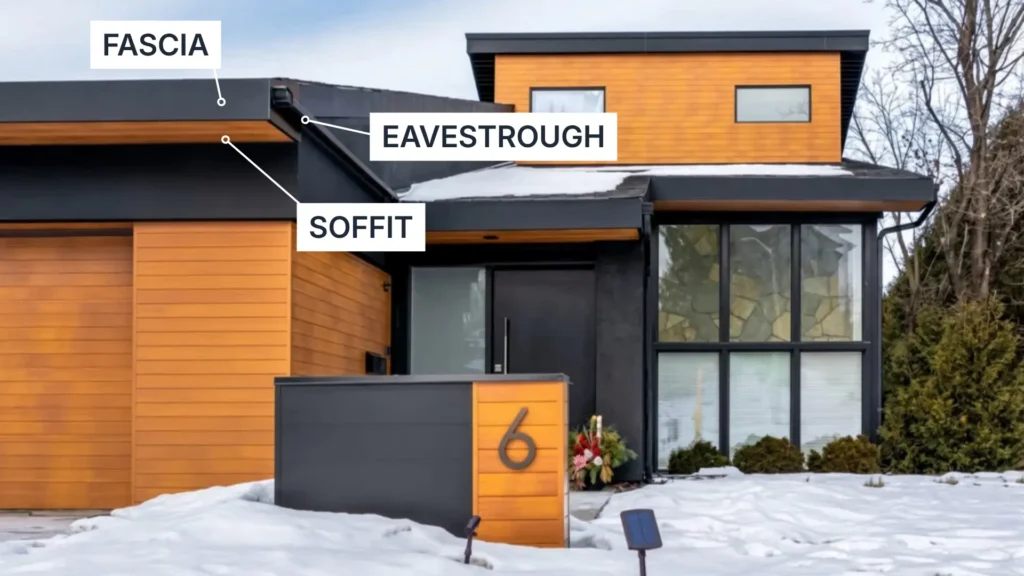
At its simplest, a soffit is the finished underside of a structure. In residential construction, it usually refers to the horizontal underside of the roof overhang that extends beyond the walls of your house. This area is often visible from the ground, and the soffit covers and protects it. According to the Wikipedia definition of soffit, it is the underside of any construction element.
The term comes from the French word “soffite,” which is still commonly used in Canada. You will often see the soffit definition appear in home inspection reports or construction documents because it is a key part of your roof’s overall design and functionality.
Why a Soffit Is Used on Homes
The soffit is not just there for looks, although it does create a polished appearance. It serves several important purposes:
- Protecting the underside of the roof from rain, snow, and wind
- Helping ventilate the attic or roof space so temperature and moisture stay under control
- Creating a clean, finished look instead of exposed rafters and insulation
- Acting as a barrier that keeps pests and debris out
These functions explain why the soffit is a vital part of almost every Canadian home.
What is the difference between soffit and fascia
The soffit does not work alone. It is part of a larger system that protects your roof and home.
The Fascia is the vertical board that runs along the edge of the roof. Eaves are typically attached to it, and it forms the visible front edge of the roofline. The fascia meets the soffit at a clean angle.
How Soffits Differ in Homes vs Commercial Buildings
On houses, the soffit is almost always an exterior feature under the roof overhang. Its main jobs are protection, ventilation, and a clean exterior finish.
In commercial buildings, the same word is also used for interior ceiling elements. In offices, stores and other commercial spaces, a soffit can form part of (or even the entire) finished ceiling. Designers use these soffits to hide ductwork and wiring, create different ceiling heights, improve lighting or acoustics, and give the space a clean architectural look.
So a soffit does not always have to be outside a house. The term simply means the finished underside of a structure, whether that structure is a residential roof overhang or a commercial interior ceiling.

Soffit Materials
Soffits can be made from several different materials. Each one offers different benefits in terms of durability, maintenance, appearance, and cost. Here are the most common options used on Canadian homes:
Vinyl Soffit Vinyl is one of the most popular choices. It is lightweight, affordable, and does not require painting. It also resists moisture and insects well, which makes it suitable for Canada’s climate.
Aluminum Soffit Aluminum is strong, long-lasting, and fully resistant to rust and rot. It holds its colour well and needs very little maintenance. Many Canadian homeowners prefer aluminum because it performs reliably in freeze-thaw conditions.
Learn More: Aluminum vs Vinyl Soffit
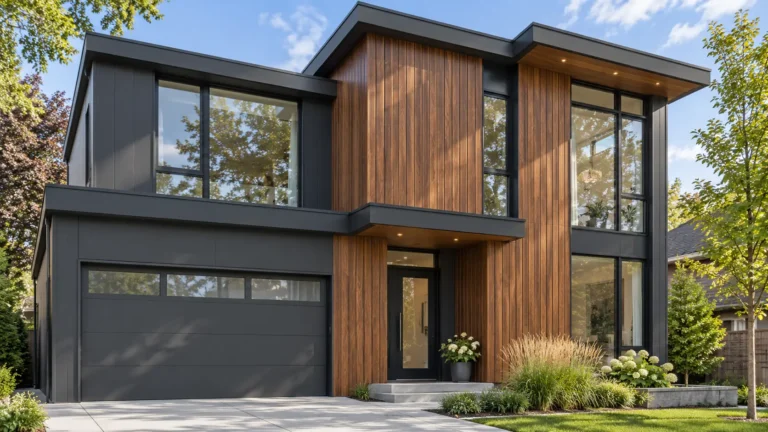
Wood Soffit Wood offers a classic, natural look. However, it requires regular maintenance such as painting or staining and can be more vulnerable to moisture, insects, and rot if not properly cared for.
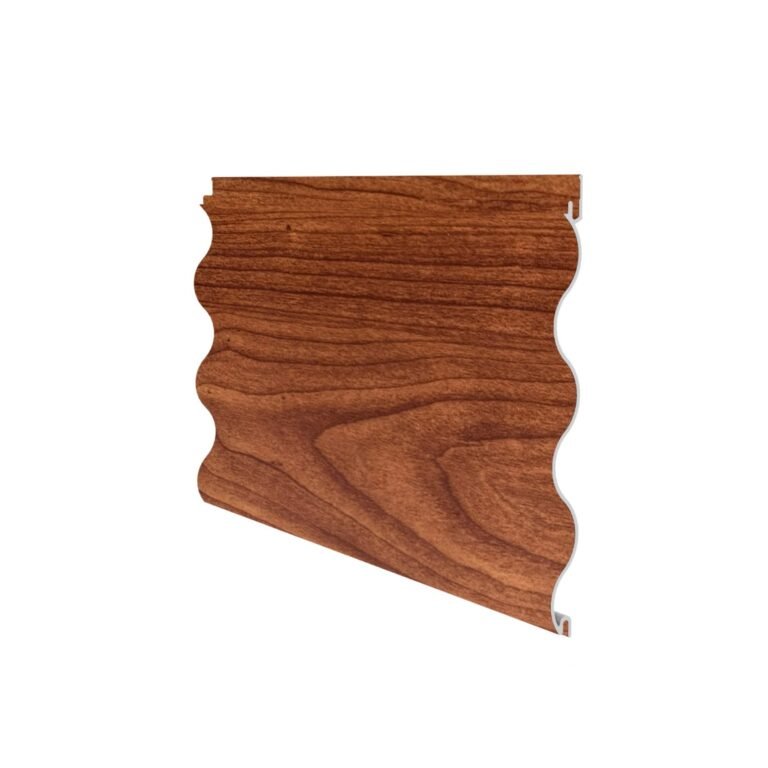
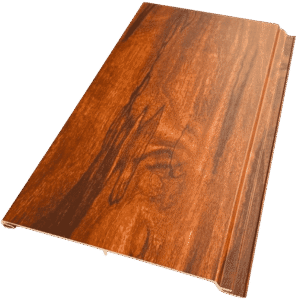
Learn More: Woodgrain Aluminum Soffit
Fibre Cement Soffit Fibre cement is very durable and resistant to fire, moisture, and pests. It can be painted to match the rest of the exterior and is a good option for homeowners who want a long-lasting, low-maintenance material.
Composite / PVC Soffit These modern materials combine the look of wood with better resistance to moisture and insects. They generally need less maintenance than real wood while still offering a finished appearance.
Choosing the right soffit material depends on your budget, the style of your home, and how much maintenance you are willing to do over time.
Learn More: Soffit Types: Best Options for Toronto Homes