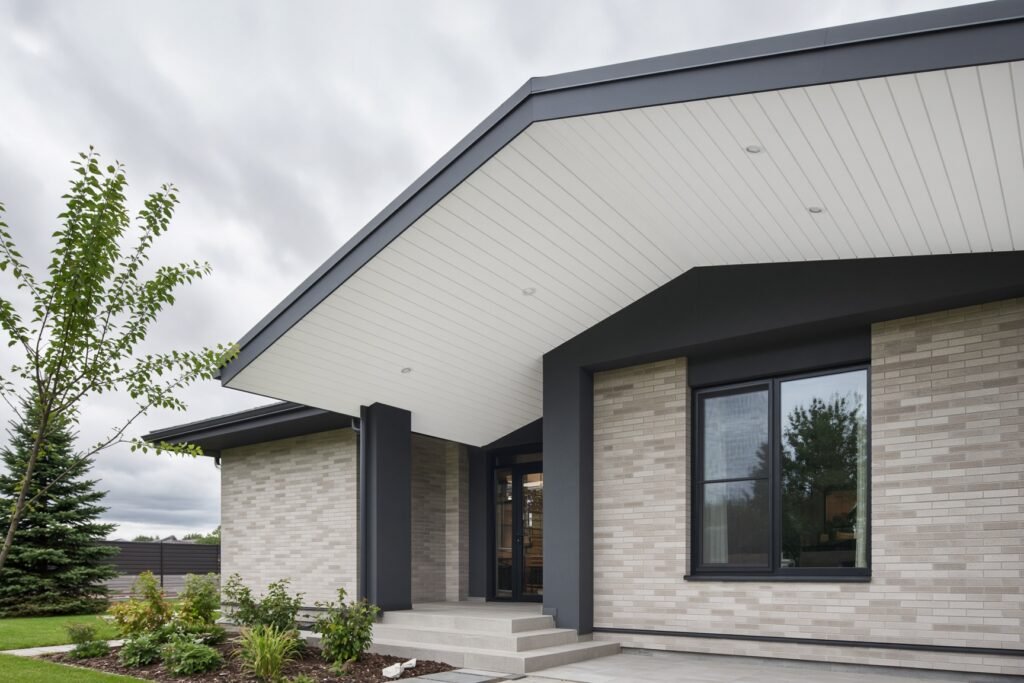
White aluminum soffit remains one of the most popular finishes in exterior building design. From residential to commercial and institutional projects, architects and builders frequently turn to white soffit systems for their clean, versatile appearance that complements a wide range of materials and architectural styles.
Soffit color is not an afterthought in design. Positioned beneath roof overhangs and framing the transition between the wall and roofline, soffits influence both the visual appeal of a building and its long-term maintenance requirements. Here’s why white aluminum soffit is widely chosen and how it can elevate your building’s exterior.
Why is White Aluminum Soffit So Popular?
White aluminum soffit has earned its popularity for both practical and aesthetic reasons. Here are the key factors driving its widespread use:
1. Timeless, Clean Appearance
- White creates a neutral, modern backdrop that doesn’t overpower other exterior materials like brick, stone, wood cladding, or metal panels. Its simplicity ensures the primary elements of the façade remain the visual focus.
- Unlike bold colors that risk becoming outdated, white delivers a classic and enduring look.
2. Seamless Compatibility with Exterior Components
- White soffits pair effortlessly with matching white fascia, gutters, downspouts, trim, and window frames. This consistency in design simplifies material specification and creates a cohesive roofline.
3. Versatility Across Building Types
- On residential homes, white soffit works with both traditional and modern styles.
- For commercial and institutional projects, white soffit offers a professional, low-maintenance finish that aligns with clean architectural detailing.
4. Flexibility and Reliability
- White soffit is more than a default color; it’s chosen because of its design flexibility and long-term durability. These qualities matter when soffits need to remain functional and visually appealing for decades.
Design Benefits of Choosing White Aluminum Soffit
1. Architectural Versatility
White aluminum soffit integrates seamlessly with various exterior materials:
- Against brick or stone, it creates a crisp contrast that highlights the masonry’s texture.
- With wood or wood-look cladding, it provides a clean boundary that complements natural tones.
- On modern buildings with dark roofing or metal panels, white soffit introduces visual lightness and defines the roof edge.
2. Brighter Appearance
Because soffits are located in shaded areas beneath roof overhangs, white reflects light more effectively than darker colors. This creates a brighter, more open appearance and enhances the overall elevation.
3. Timeless Aesthetic
Building exteriors are long-term investments, and white’s neutral tone ages gracefully. Unlike trendy colors that may lose appeal, white soffit remains architecturally appropriate for decades.
Exterior Performance of White Aluminum Soffit
The choice of soffit color also impacts performance considerations:
1. Energy Efficiency
Lighter finishes like white absorb less solar radiation compared to darker colors such as black aluminum soffit. While effective attic ventilation is still essential, white soffit can reduce surface temperatures.
2. Durability
High-quality white aluminum soffit uses powder coatings or advanced paint systems engineered for exterior durability. These coatings ensure:
- UV resistance to prevent fading.
- Protection against chalking and discoloration.
- Color stability over time, avoiding the yellowing or graying seen in lower-quality finishes.
3. Uniform Appearance
A professional look depends on consistent manufacturing processes that ensure uniform color and texture across panels and accessories. This is particularly important for white finishes, where inconsistencies are more noticeable.
White Aluminum Soffit Finish Options
When selecting a white aluminum soffit system, the quality and consistency of the finish play a major role in long-term appearance. High-performance powder-coated finishes are engineered for exterior exposure and are designed to maintain color stability under UV light and weather conditions.
VEDREX offers several white finish options for aluminum soffit and ceiling systems, including:
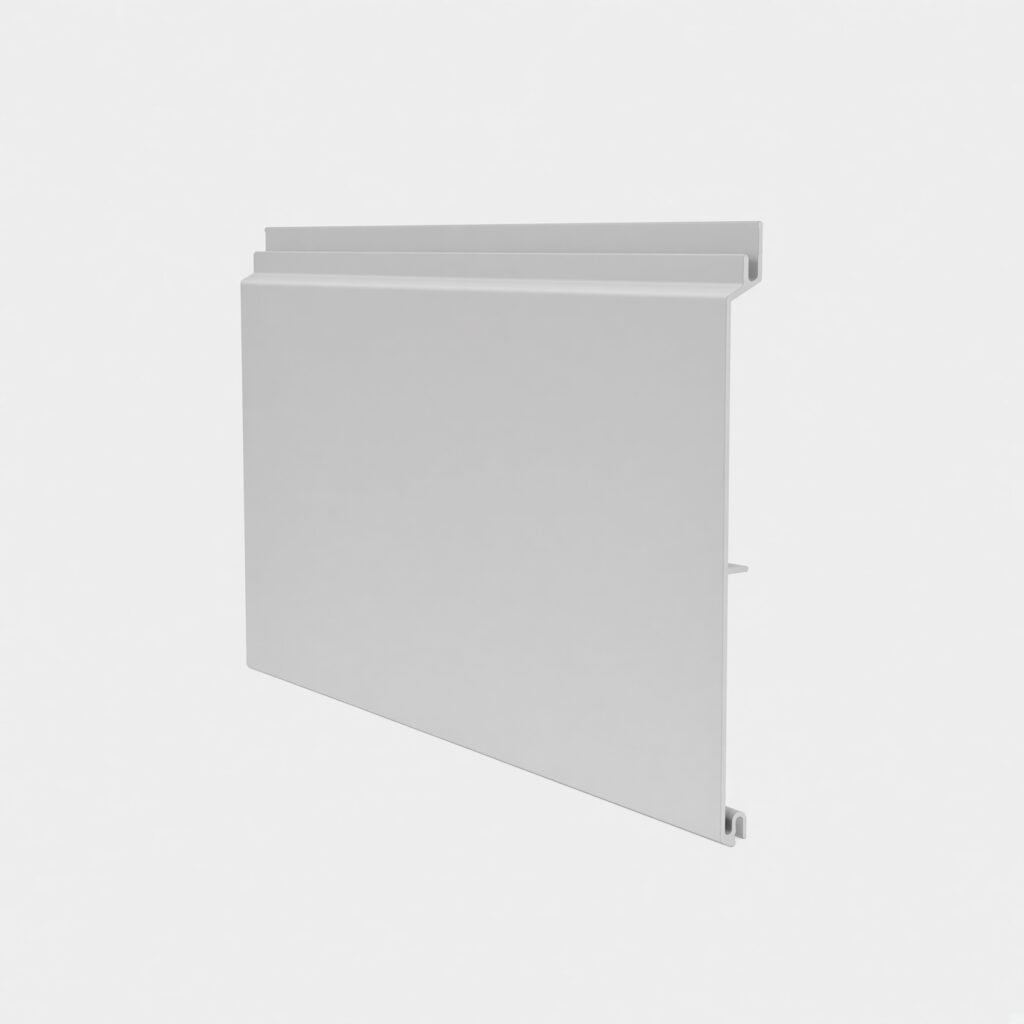
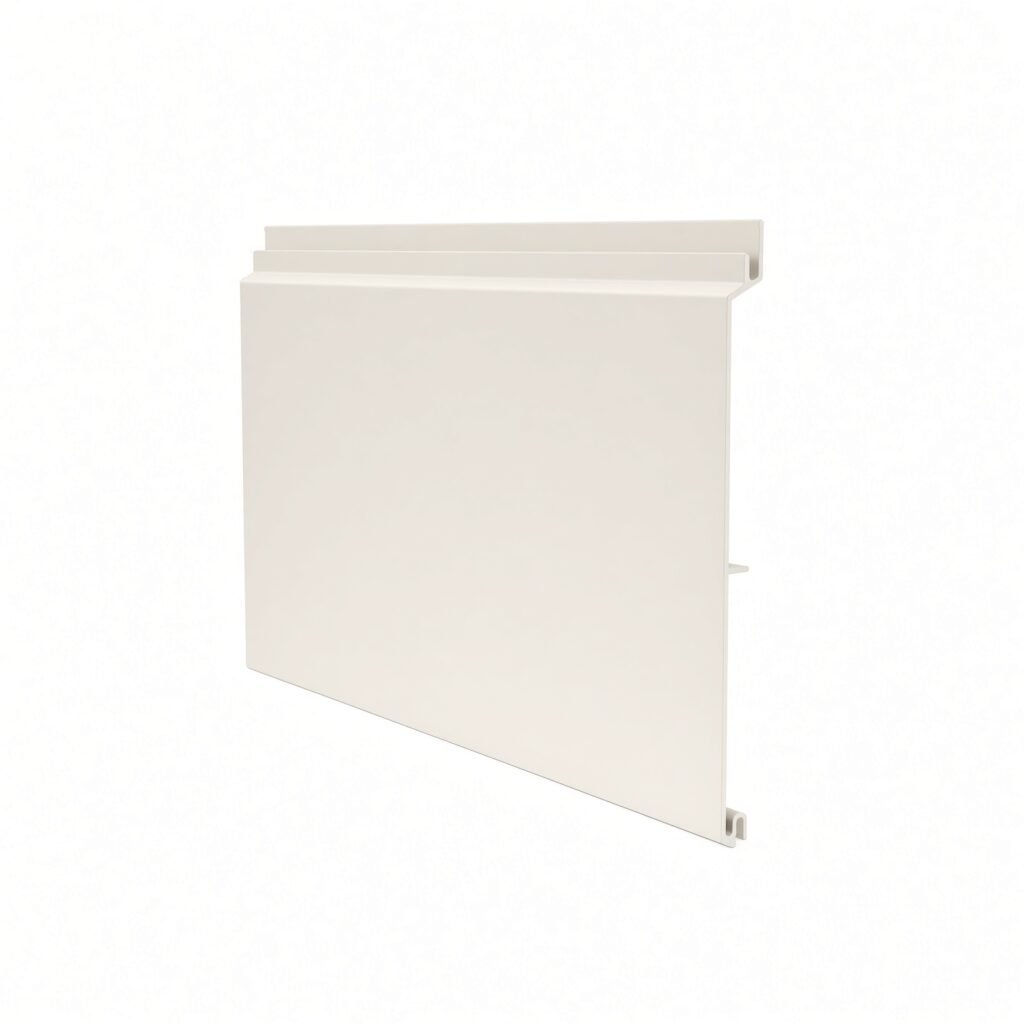
- SeaShell White – A clean, bright white with a soft, refined appearance that works well with both traditional and contemporary exteriors.
- Bone White – A pure, crisp white finish that provides strong contrast against darker roofing materials and cladding.
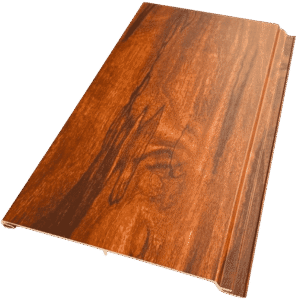
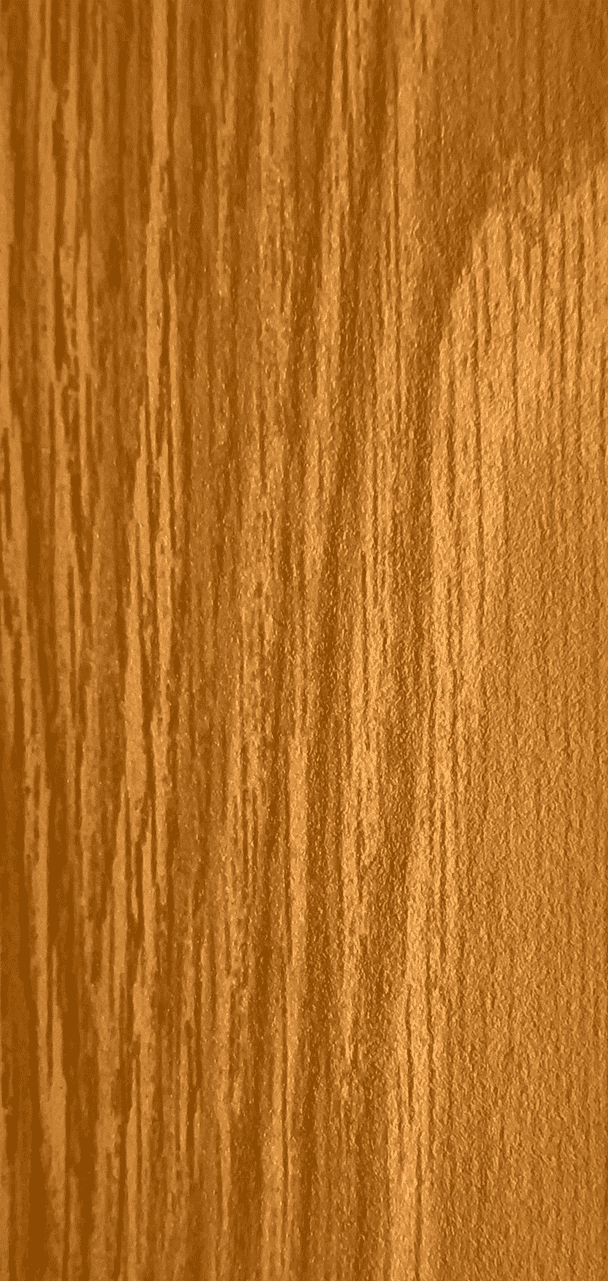
- Marble Wood – A light woodgrain finish with a clean, near-white appearance that combines the look of natural wood with the durability of aluminum. Ideal for projects seeking a soft, refined aesthetic.
These finishes are applied using architectural-grade powder coating processes formulated for color retention, UV resistance, and surface durability. Consistent manufacturing helps ensure uniform appearance across panels, trims, and accessories.
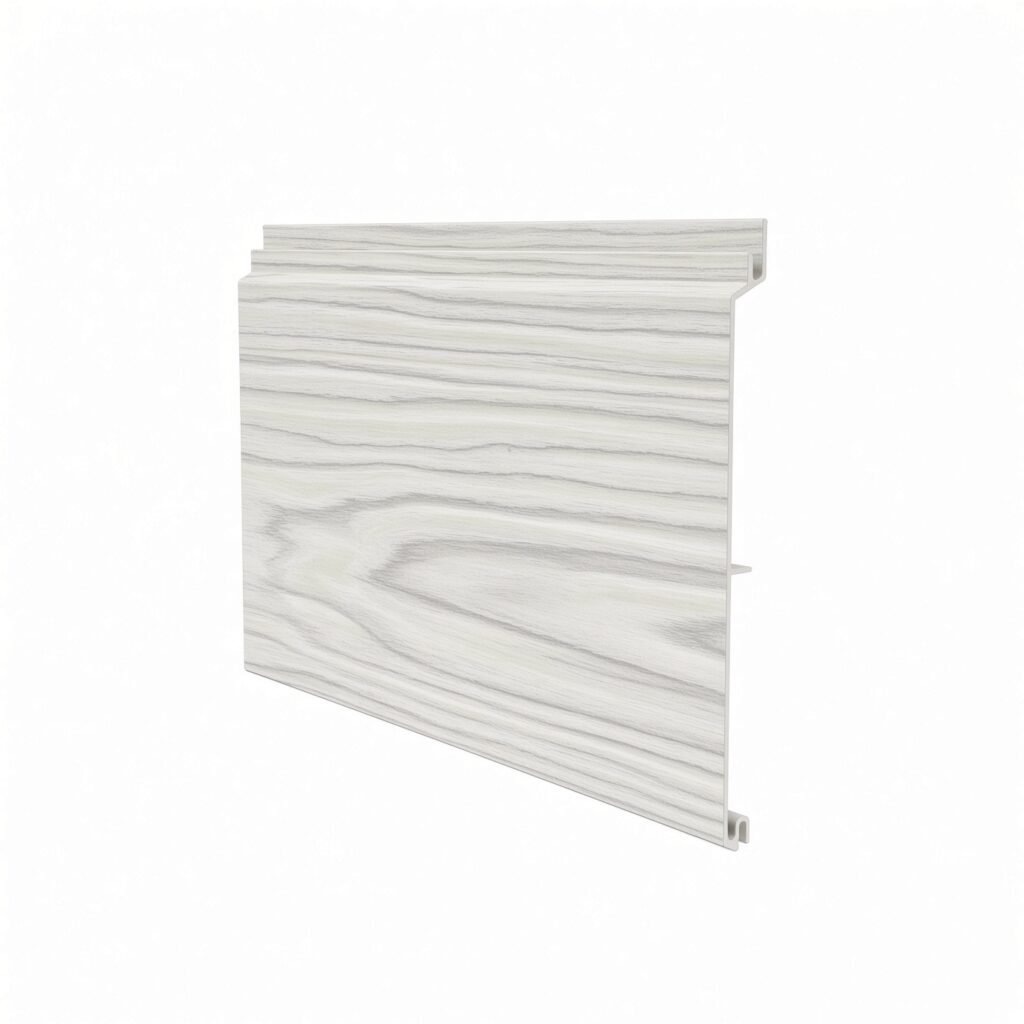
For projects requiring precise color matching or custom requirements, additional white and off-white options may be available. Material samples are recommended to evaluate the finish under actual site lighting conditions before final specification. Reach out to request samples.
Maintenance of White Aluminum Soffit
One of the key advantages of aluminum soffit is its low maintenance requirements compared to traditional materials like wood. Here’s what you need to know:
1. Resistant to Wear and Tear
Aluminum does not rot, warp, or require regular painting. Factory-applied finishes resist peeling and cracking under normal conditions.
2. Simple Cleaning
White surfaces can show dirt, pollen, or residue more easily than darker finishes, but routine cleaning with water and mild detergent is typically sufficient. Avoid high-pressure washing, as it may damage the finish or compromise the building envelope.
3. High-Quality Finishes Reduce Upkeep
Superior coatings resist staining and preserve the soffit’s appearance, reducing the need for frequent cleaning or costly refinishing.
Comparing White Soffit Materials: Aluminum vs. Alternatives
When selecting white soffit, it’s important to consider the differences between materials.
1. White Aluminum Soffit
- Benefits: Durable, dimensionally stable, rot-resistant, and low-maintenance. Available in solid and vented profiles to support ventilation needs without compromising aesthetics.
- Best For: Long-term performance with minimal upkeep.
2. White Vinyl Soffit
- Benefits: Lower initial cost and easy installation.
- Drawbacks: Can expand and contract with temperature changes, become brittle in extreme cold, and may not retain color as well as aluminum.
3. Painted Wood Soffit
- Benefits: Provides a traditional appearance.
- Drawbacks: Requires frequent painting or staining to protect against moisture, UV damage, and pests. Over time, maintenance costs can far exceed those of aluminum.
Common Applications of White Aluminum Soffit
White aluminum soffit is versatile and widely used across various project types, including:
- Residential Homes: Clean rooflines and low maintenance appeal to homeowners.
- Multi-Unit Residential Buildings: Offers consistency and durability for apartments or condominiums.
- Commercial and Office Buildings: Creates professional, polished exteriors.
- Institutional Facilities: Durable solutions for schools, hospitals, or government buildings.
- Renovation Projects: Replaces deteriorating wood or vinyl soffits for improved performance and aesthetics.
Frequently Asked Questions
Does white aluminum soffit fade over time?
High-quality coatings ensure strong UV resistance and color retention. However, lower-quality finishes may show fading or discoloration.
Is white aluminum soffit better than vinyl soffit?
Aluminum offers greater durability, resistance to extreme temperatures, and longer service life compared to vinyl.
How do you maintain white aluminum soffit?
Regular cleaning with mild detergent is enough. Avoid abrasive cleaners or high-pressure washing that could damage the finish.
Closing Thoughts
Selecting white aluminum soffit is more than a color choice. It is a strategic design decision that affects your building’s aesthetics, durability, and maintenance needs. With its clean, adaptable appearance and long-term performance, white aluminum soffit remains a top choice in exterior building design. By choosing high-quality systems, you can ensure your soffits maintain their pristine look for decades to come.