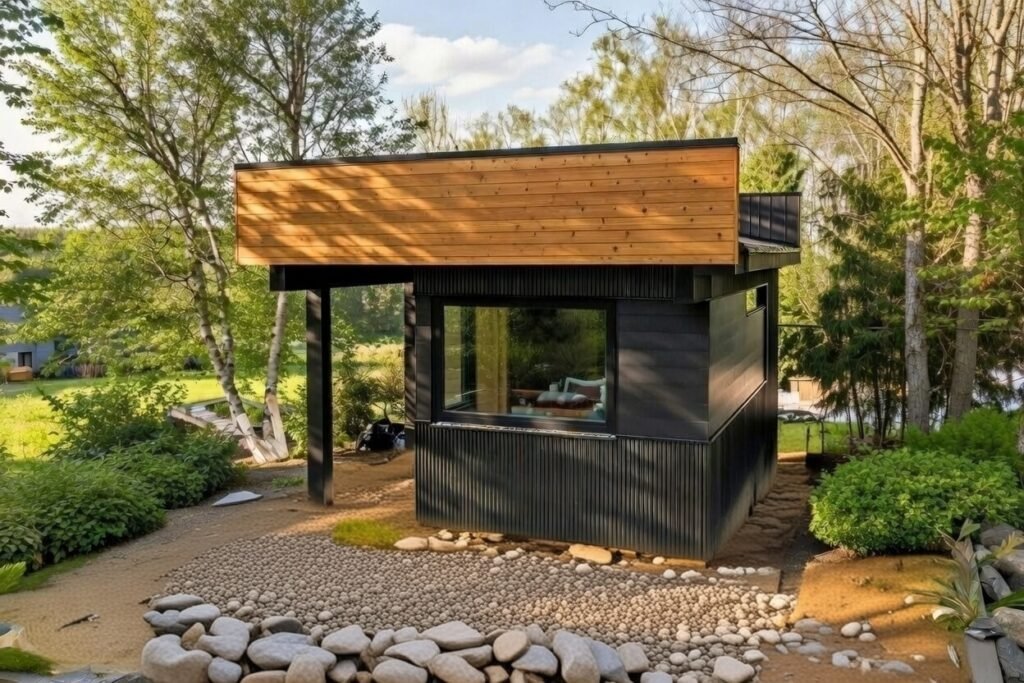
In Canada, the humble backyard shed has undergone a significant transformation. No longer just a place to store winter tires and rusty lawnmowers, these structures are increasingly being used as high-end home offices, art studios, and guest suites. As the function of these buildings evolves, so too must the materials used to protect them.
For builders and discerning homeowners, the standard options of vinyl or T1-11 plywood often fall short in the face of Canadian winters. This is why shed aluminum siding is rapidly becoming the preferred specification for high-quality outdoor structures. It offers a unique combination of architectural beauty and industrial resilience that other materials simply cannot match.
The “Extruded” Difference: Strength Meets Luxury
When sourcing aluminum shed siding plank, it is critical to distinguish between standard roll-formed sheet metal and extruded aluminum.
While roll-formed siding is thin and prone to “oil-canning” (a rippling effect caused by thermal expansion), extruded aluminum is pushed through a die to create a thick, rigid profile. This manufacturing process results in a profile that is structurally superior and resistant to impact, a necessary feature for surviving hail storms and heavy snow loads. For details on material performance in harsh weather, refer to NRC’s insights on building materials in cold climates.
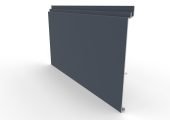
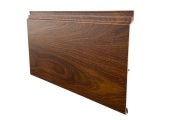
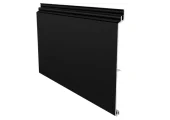
At Vedrex, our extruded profiles come in 4-inch and 6-inch widths, allowing for architectural precision. With available finishes ranging from modern mattes to realistic wood grain textures, these boards provide the luxurious look of natural timber without the susceptibility to rot.
Shed Siding Showdown: ROI, Budget, and Lifespan
For contractors and homeowners alike, the decision often comes down to the bottom line. Here is how aluminum siding for storage sheds compares to the alternatives when analyzing budget, labor, and Return on Investment (ROI).
1. Aluminum vs. Wood (Cedar/Pine)
- Initial Cost & Labor: Wood is often cheaper to buy initially, but requires significant labor to prime, paint, and seal.
- Lifespan & Maintenance: Wood is highly susceptible to moisture, rot, and pests. It requires re-staining every few years.
- The Aluminum Advantage: Aluminum resists corrosion and pests naturally. With a lifespan that can exceed 30 to 40 years, the long-term ROI of aluminum is significantly higher because it eliminates the recurring costs of paint and labor associated with wood maintenance.
2. Aluminum vs. Vinyl
- Durability: Vinyl is the budget option, but it has a major weakness in Canada: cold. In freezing temperatures, vinyl becomes brittle and can shatter upon impact. The preference for aluminum siding vs vinyl siding among builders is primarily limited only by a project’s budgetary constraints.
- The Aluminum Advantage: While the initial material cost of aluminum is higher than vinyl, its ability to withstand freeze-thaw cycles without cracking ensures the investment is protected for decades.
3. Aluminum vs. Steel
- Installation & Labor: Steel is incredibly heavy and difficult to cut, often requiring specialized tools and more billable hours for installation. Aluminum is lightweight, making it much faster and easier for builders to install, which reduces overall labor costs.
- Corrosion Resistance: If the coating on steel siding is scratched during installation or by a tree branch, the exposed metal will rust. Aluminum creates its own protective oxide layer and does not rust, making it the superior choice for humid or wet climates.
The Builder’s Choice: Why Pros Prefer Aluminum
For professional builders, time is money. Aluminum siding shed projects are attractive because the material is lightweight and easy to handle, speeding up the construction process compared to heavy steel or labor-intensive wood.
Furthermore, the rigidity of extruded aluminum planks ensures a straight, true installation that hides wall imperfections better than thinner materials. This results in a polished, high-end finish that reduces callbacks and increases client satisfaction. For more on technical requirements, see National Building Code guidelines for small structures like sheds.
Conclusion
When you factor in the reduced labor costs during installation, the elimination of maintenance expenses, and a lifespan that can last 40 years or more, extruded aluminum is one of the smartest investments for Canadian outbuildings.
Whether you are looking for the modern appeal or the traditional charm of a wood grain finish, Vedrex offers the premium solutions necessary to weather the Canadian climate in style.
Ready to elevate your project? Explore the full range of Vedrex extruded aluminum siding boards today.